
How Long Does the Landscape Design Process Take in Madison, WI?
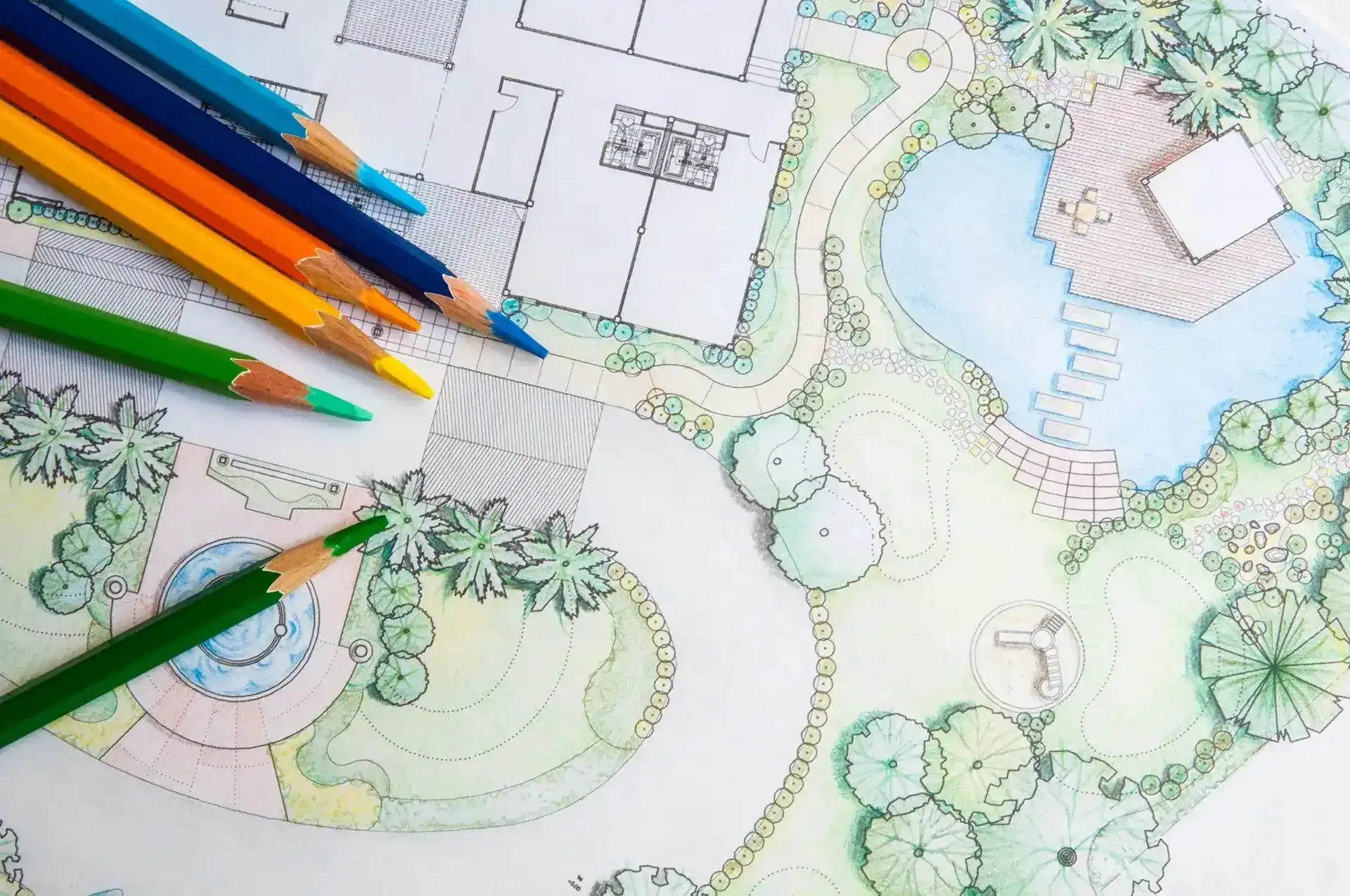
Homeowners and property managers in Madison often ask the same question before beginning an outdoor project: how long does landscape design take?
For most properties, the landscape design process takes two to six weeks from the initial consultation to a finalized design plan. The timeline varies depending on project size, property conditions, and the level of detail required in the design.
At Western Landscape, every project begins with planning and clear communication. The company has built a strong reputation across Dane County and maintains more five star Google reviews than any other landscaping company in the area, reflecting a long record of dependable service and quality workmanship. Our website features examples of completed projects and provides more information about the company’s approach to outdoor design and construction.
Understanding how the design timeline works helps property owners prepare for the next stages of their project.
Typical Timeline for Landscape Design in Madison, WI
Landscape design typically moves through several organized stages. Each phase provides the information needed to create a functional and attractive outdoor space.
Table 1
Typical Landscape Design Timeline
| Phase | Estimated Time |
| Initial consultation | 1–3 days |
| Site analysis and measurements | 2–5 days |
| Design development | 1–3 weeks |
| Design review and revisions | 3–7 days |
| Final plan and preparation | 3–5 days |
Projects that include patios, retaining walls, or outdoor gathering areas may require additional time during the design phase.
Step 1: Initial Consultation
The process begins with a consultation. This meeting allows the designer to understand the client’s goals and evaluate the existing landscape.
During the consultation, discussions often include:
- Desired outdoor features
- Budget considerations
- Current property layout and landscaping
- Plant preferences and material ideas
Homeowners may discuss additions such as patios, fire pits, retaining walls, or expanded planting beds. Photos or design examples often help communicate style preferences.
The design team also gathers measurements and documents key details about the property.
Homeowners planning larger outdoor upgrades often learn more about professional landscape design services in Madison, WI, where customized plans are developed to match each property’s layout and goals.
Step 2: Site Analysis and Measurements
After the consultation, the design team studies the property in greater detail.
Key Elements Reviewed During Site Analysis
- Property dimensions and layout
- Sun exposure and shade patterns
- Drainage conditions
- Soil quality
- Existing trees, structures, and utilities
Landscape design in Madison must account for regional climate conditions. Clay soil, seasonal rainfall, and freeze-thaw cycles can affect grading, drainage planning, and plant selection. Resources such as the University of Wisconsin–Madison Extension horticulture program provide guidance on plant selection and landscape practices suited for Wisconsin conditions.
A careful site evaluation helps reduce potential problems during construction and supports appropriate plant choices.
Step 3: Landscape Design Development
This phase is when the design plan begins to take shape.
Designers develop a detailed layout that may include:
- Patio and walkway placement
- Retaining walls or seating areas
- Planting beds and tree locations
- Landscape lighting concepts
- Lawn areas and gathering spaces
Projects that include structural elements often incorporate features such as retaining walls in landscape design, which help control slopes and manage drainage while creating usable yard space.
More complex outdoor projects that include several living areas may take close to three weeks during the design phase. Smaller projects often move through this stage more quickly.
Step 4: Design Review and Revisions
After the first draft is complete, the design is presented to the client for review.
During this stage, homeowners evaluate the layout, materials, and plant selections. Feedback allows the design to be refined before installation begins.
Common Revision Requests
- Adjusting patio size or location
- Changing plant varieties
- Modifying walkway placement
- Updating materials or colors
Most landscape projects include one or two rounds of revisions before the design is finalized.
Clear communication during this stage helps maintain the project schedule.
Step 5: Final Plan and Project Preparation
After revisions are approved, the final landscape design plan is prepared. This document guides the installation phase of the project.
The final step usually includes:
- Detailed design drawings
- Selected materials
- Project estimates
- Construction scheduling
In some cases, permits may be required for structural features such as large retaining walls or drainage improvements. When permits are needed, the approval process can extend the timeline slightly.
Once the final design is approved, the project can move forward to installation.
Factors That Affect Landscape Design Timelines
Although many projects fall within the two to six week range, several factors influence the timeline.
Project Size
Smaller projects, such as planting beds or walkway additions, typically move through the design process quickly.
Large outdoor renovations that include patios, outdoor kitchens, or multiple gathering areas require additional planning time.
Property Conditions
Some properties present challenges such as slopes, drainage concerns, or limited access. These conditions may require additional design work before construction begins.
Client Communication
Prompt feedback helps keep projects moving forward. Delays sometimes occur when revisions or approvals take longer than expected.
Seasonal Demand
Spring and early summer are busy seasons for landscaping projects in Madison, WI. Beginning the design process earlier in the year can help secure a place on the construction schedule.
Property owners who begin planning during winter often have more flexibility once installation season begins.
Why the Landscape Design Process Matters
A detailed design plan reduces the likelihood of unexpected changes during construction. Contractors can plan materials, labor, and scheduling before installation begins.
Design plans also help property owners visualize the finished landscape. Reviewing the layout in advance makes it easier to evaluate materials, plant selections, and outdoor features.
Long-term landscape performance also depends on maintenance. Property owners who follow best practices for landscape maintenance after design often maintain healthier and more attractive outdoor spaces.
Start Planning Your Madison Landscape Project
Landscape design forms the foundation of a successful outdoor project. Most Madison, WI, homeowners can expect the design phase to take several weeks from consultation to final plans.
Working with an experienced landscaping team helps keep the process organized and efficient. A well-prepared design plan allows installation to move forward with fewer delays.
Western Landscape Service has built its reputation on dependable service and skilled craftsmanship throughout Dane County. With more five-star reviews than any other landscaping company in the area, the team helps homeowners and businesses create outdoor spaces that match the needs of their property and daily use.