
Choosing the Right Plants for Wisconsin’s Climate: A Madison Homeowner’s Guide
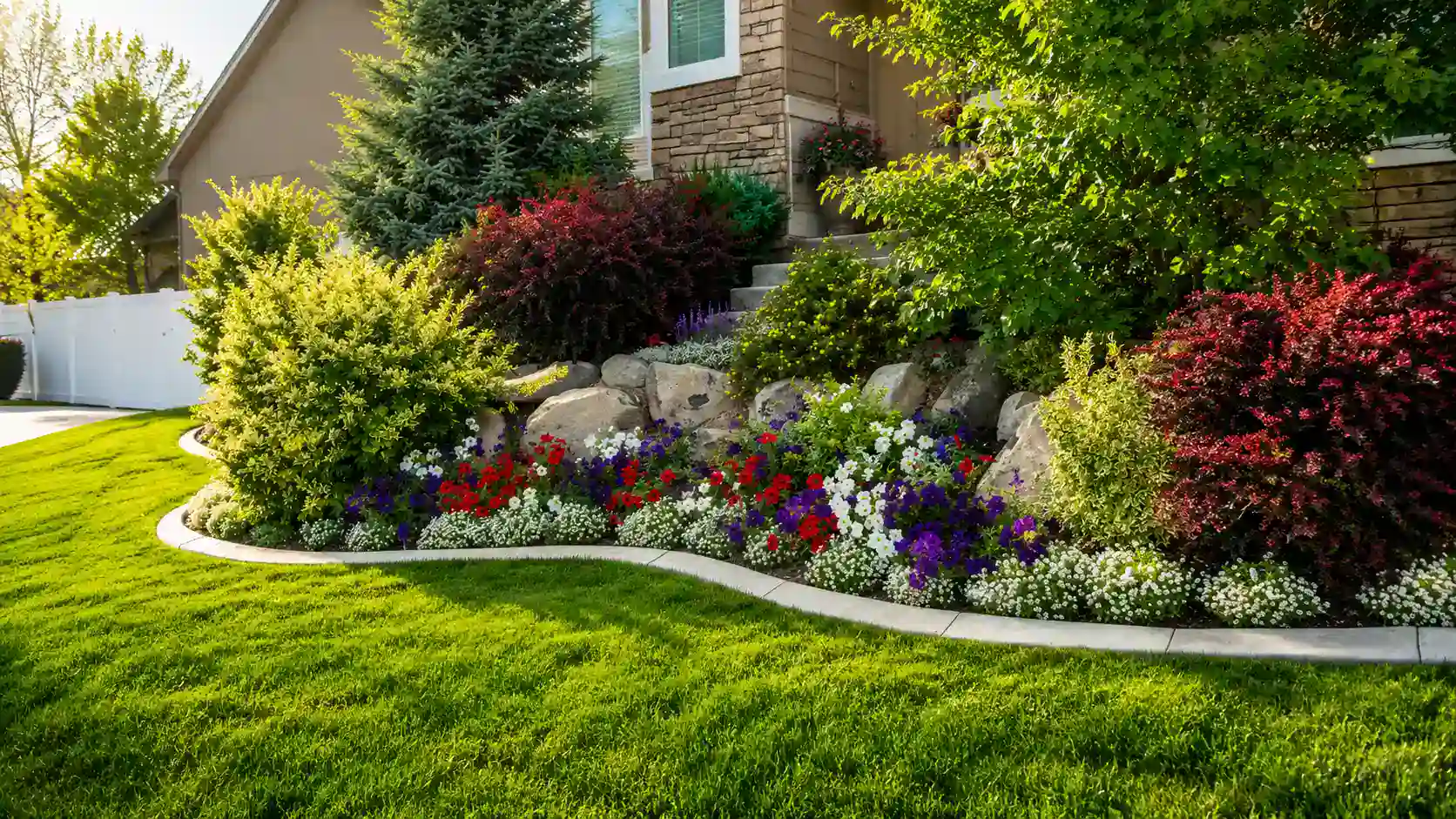
If a shrub or perennial you were counting on didn’t make it through last winter, you’re far from alone. Plenty of Madison homeowners plant something that looks perfectly hardy on the tag, only to lose it to a hard freeze months later. Choosing plants for Wisconsin’s climate isn’t guesswork, but it does require knowing more than the average nursery label tells you.
Here’s something worth knowing before you plant anything else. According to the USDA’s current Plant Hardiness Zone Map, the standard is generally about one quarter zone warmer nationwide than the version it replaced in 2012.
That shift means the safe plant list your parents or a neighbor swore by years ago may no longer reflect what your yard can actually support, in either direction. It’s good news for homeowners hoping to expand their options, but it only helps if you know how to read it correctly.
What Your Hardiness Zone Actually Tells You
Madison sits on the boundary between zones 5a and 5b, which means the coldest nights your property typically sees fall somewhere between negative twenty and negative ten degrees. That number is the single most useful piece of information for predicting whether a tree, shrub, or perennial will survive our winters year after year.
A hardiness zone isn’t a guarantee, though. It’s an average of the lowest temperature your area has experienced over three decades. Plant something rated for a zone colder than yours, and it will almost certainly be fine. Push into a plant rated for a warmer zone, and you’re gambling on a mild winter that Wisconsin doesn’t always deliver.
Which Plants Actually Thrive in a Madison Yard?
The plants that hold up best here tend to be the ones bred or native to climates just like ours. Purple coneflower, black-eyed Susan, and little bluestem grass are dependable perennial choices that come back reliably and ask for very little once established. Little bluestem and other native grasses also tend to handle Wisconsin’s dry stretches better than imported ornamental varieties, since they evolved alongside our soil and rainfall patterns rather than a milder climate somewhere else.
For structure and year-round interest, serviceberry trees and dwarf fothergilla shrubs handle our winters well while still offering spring blooms and fall color. A serviceberry planted along a property line can also double as a light windbreak, which helps protect more delicate plants nearby from the worst of a January gust.
Boxwood and certain compact hydrangea varieties can also do well in Madison yards, though they benefit from a more sheltered spot out of harsh winter wind. Hostas remain one of the most forgiving shade perennials for local yards, tolerating our winters without much fuss, and they pair well with groundcovers like wild ginger in beds that get more shade than sun.
None of this means you’re limited to a short list. It means starting from plants proven to handle our zone, then building around them with the color, texture, and layout that fits your property. Our landscaping services in Madison team can help you turn that shortlist into an actual bed installation, matched to the light and drainage your yard already has.
Your Yard Has Its Own Microclimate
Two houses on the same block can have genuinely different growing conditions, even with the same official hardiness zone. A south-facing bed against your house will run warmer than an exposed corner of the yard that catches every gust off an open field.
Low spots collect cold air and moisture, which can be rough on plants that prefer well-drained soil. Areas near pavement or a foundation often stay a few degrees warmer than the rest of the yard.
None of this shows up on a hardiness zone map, but it matters just as much when you’re deciding where a plant will actually thrive. A plant that struggles in one corner of your property might do perfectly well fifteen feet away.
When to Plant Makes a Real Difference Too
Spring and fall are both solid windows for planting in Madison, but they serve different purposes. Spring planting gives roots a full growing season to establish before the next winter arrives. Fall planting, done early enough before the ground freezes, lets roots settle in cooler soil without the stress of summer heat, often resulting in stronger growth the following spring.
Whichever season you choose, a fresh layer of mulch matters more than most homeowners realize. It insulates roots against sudden temperature swings and holds moisture during dry stretches, which is a big part of why our mulch installation services in Madison are usually recommended right alongside new plantings rather than treated as a separate project down the road.
Why a Design Plan Prevents Expensive Guesswork
Plant loss is rarely caused by one bad choice. It usually comes from plants selected in isolation, without a plan for how the whole yard will look and function once everything matures. A plant that seemed like a good idea in May can end up crowding a walkway, shading out a neighbor, or clashing with the rest of the bed by its third summer.
Our landscape design services in Madison build plant selection into the design plan itself, not as an afterthought, so the choices you make on day one still make sense five years later. Whether you’re starting from bare dirt or replacing a section that didn’t survive last winter, a plan built around your specific property removes most of the guesswork that leads to a plant not making it to spring.
Western Landscape Has Been Building Climate-Smart Yards in Madison for Years
Western Landscape was started by brothers Sam and Elijah with a simple goal: give Madison homeowners a contractor they can actually count on. That commitment shows up in the details, including plant choices that hold up through real Wisconsin winters, not just the mild ones.
Our team has completed more than 6,000 projects throughout Madison, Fitchburg, Middleton, Verona, and the rest of Dane County, backed by a five-year hardscape guarantee and more five-star reviews than any other landscaping company in the area. When you work with us on plant selection, you’re getting a team that lives with the same winters your yard has to survive.
Ready to Build a Yard That Actually Holds Up Through Winter?
A beautiful yard shouldn’t mean replacing plants every couple of years. With the right selection and a design built around your property’s specific conditions, your landscape can look great in July and still be standing strong come March.
Request a quote from our team, and let’s build a plan around plants that are actually suited to where you live.