
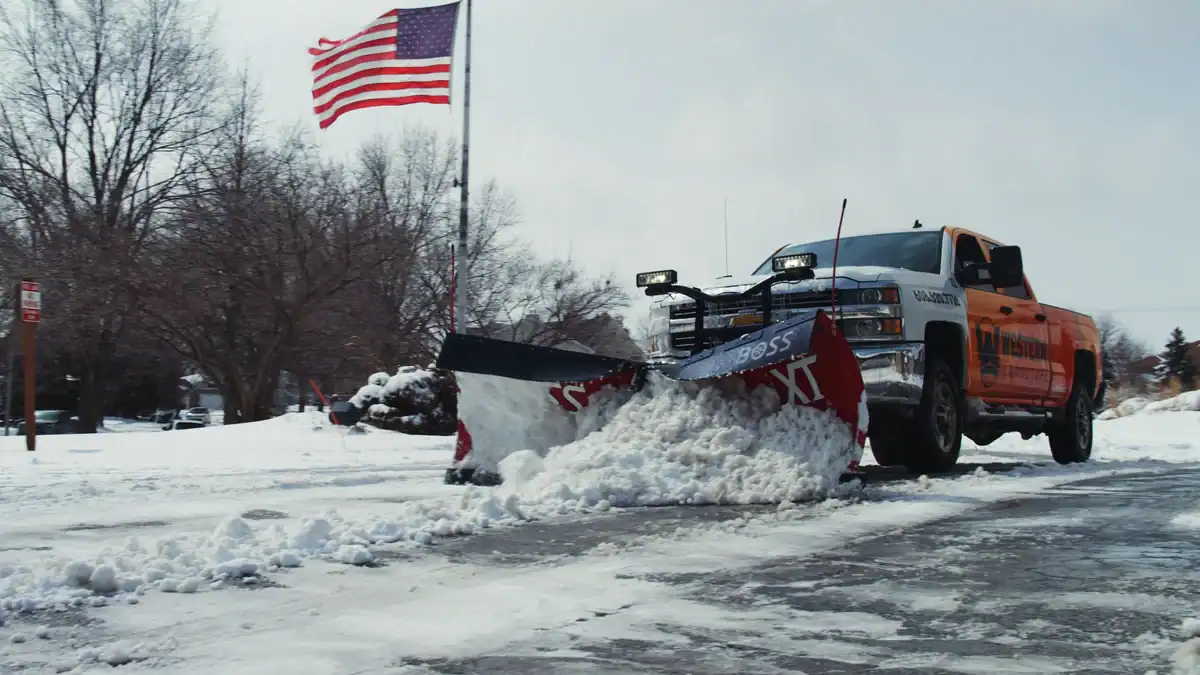
No more no‑shows.
No more angry tenant calls.
Commercial snow and ice management for property managers who are done babysitting a winter vendor.
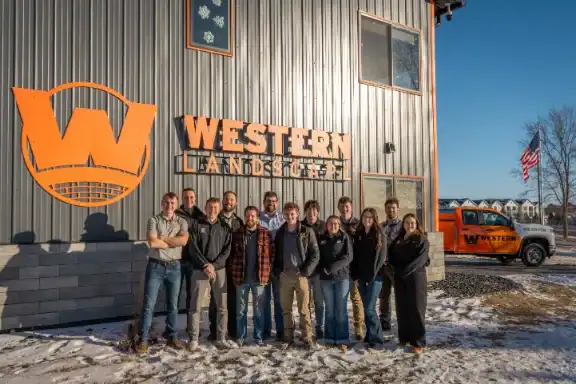
100+ Commercial Properties Serviced
55 Crew
40+ Trucks and Loaders
One missed storm costs more than you think
Another winter with an unreliable provider means another season of 7am scrambles, angry tenant calls, and hoping nobody slips before the snow crew shows up.
Slip-and-fall claim on your desk
Tenant’s lease not renewed
Angry emails in your inbox
Wasted time chasing down your snow contractor
6 inches forecast overnight
You know the 3AM feeling. This is our 3AM.
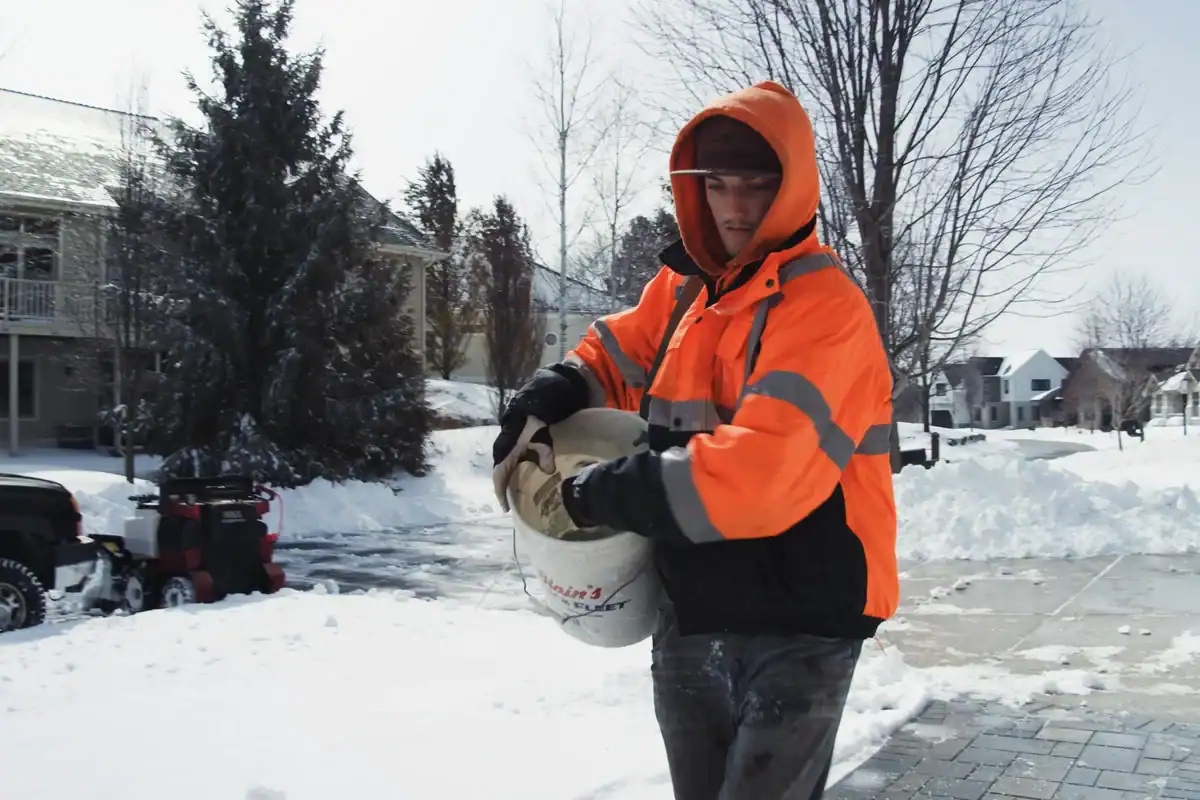
Snow coming down, phone silent, no idea if your vendor will show. We built our snow division to kill that feeling. Here’s a storm from our side of it.
8:00 PM · 2 days out
Anti-icing down early
Liquid pre-treatment applied up to two days ahead of the storm, so ice never bonds to your pavement. Then our crews sleep.
12:00 AM
Storm confirmed, crews roll
The moment the storm confirms, trucks are out. Routes locked, and you get the heads-up email.
Overnight
High-priority plow and de-ice
High-traffic sites serviced through the storm. Lots and lanes kept open, not cleaned up after.
5:57 AM
Final pass and de-ice
Entries, walks, and fire lanes safe before anyone’s alarm goes off.
Morning
Tenants arrive to dry pavement
Your phone stays quiet. That’s the whole point.
Midday
Low-priority clearing and cleanup
Lower-traffic areas cleared and stacked snow cleaned up once the morning rush is past.
+24 hrs
Safety check and stall clearing
Post-storm safety check within 24 hours, parking stalls cleared as vehicles move, and the GPS-stamped service report in your inbox.

Trusted through Dane County winters










Want your storms to look like that?
Three steps to a quiet winter
What working with Western looks like
Get your free quote

Walk us through your properties, triggers, and pain points. We’ll tell you straight if we’re the right fit.
Get your snow site plan
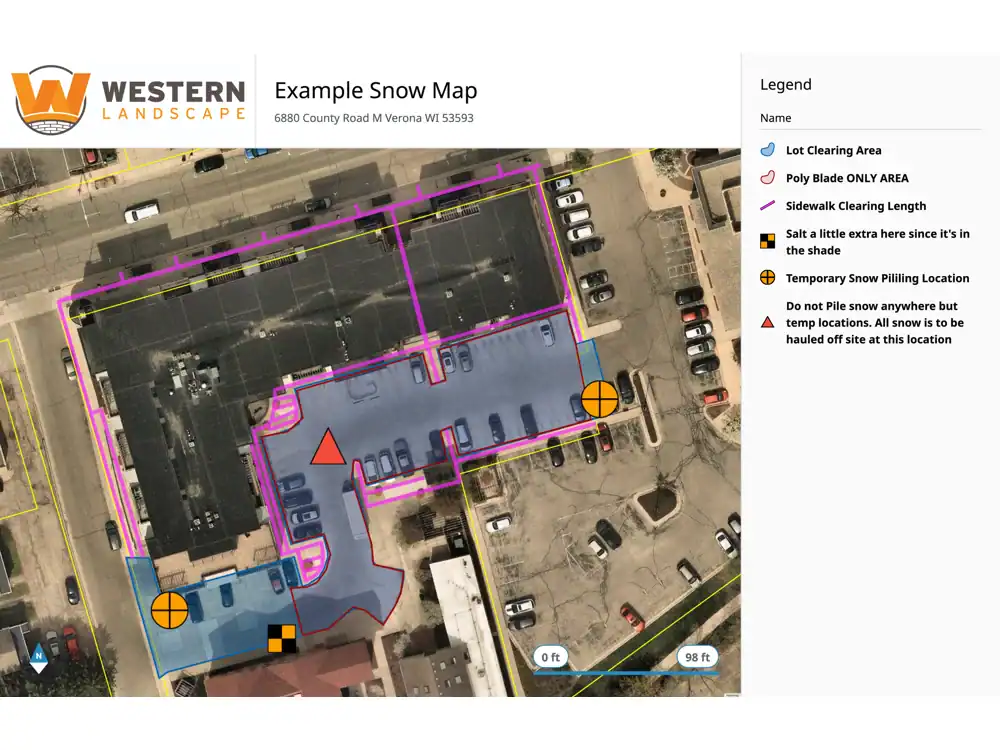
Custom triggers, routes, and documentation standards for every site, in a proposal detailed enough to bring to your board.
Sleep through every storm
We monitor 24/7 from November to April, service every site, and send you the report.
All the options for every property
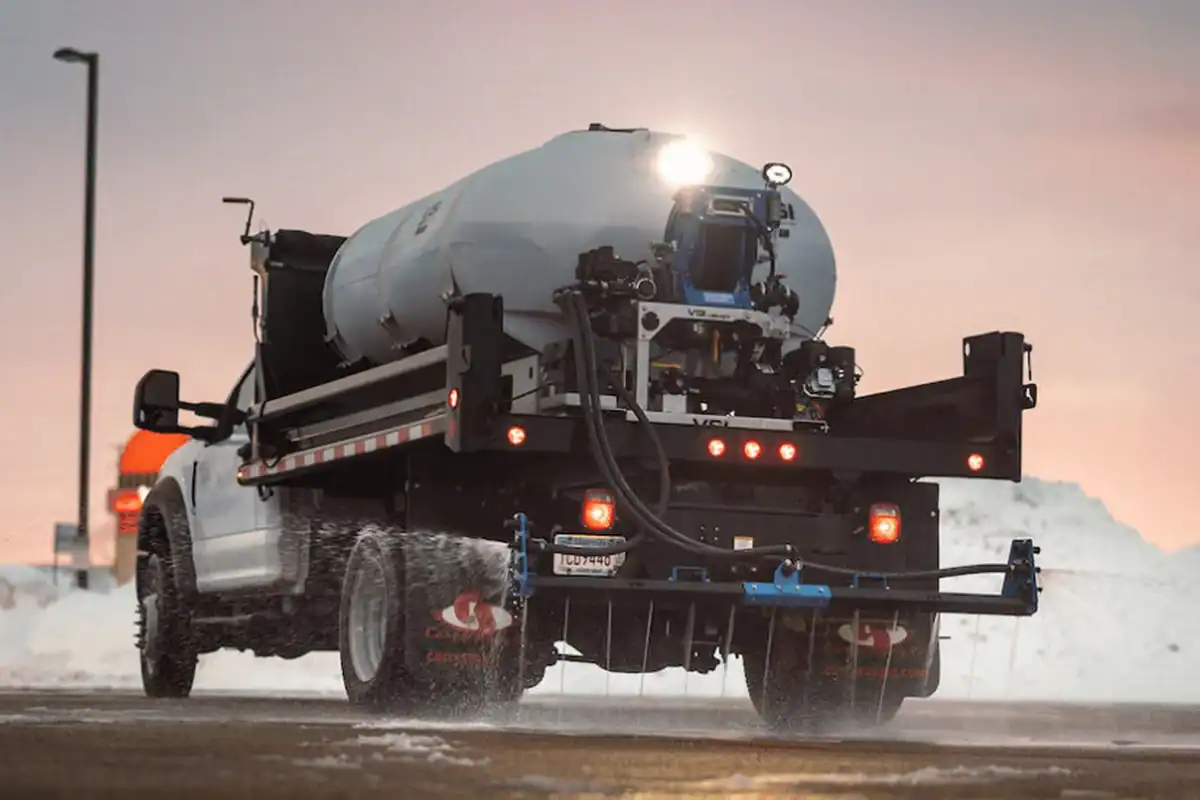
BEFORE
Anti-icing. Liquid pre-treatment so ice never gets a head start.
DURING
Snow plowing. Trucks and loaders timed to keep your property open.
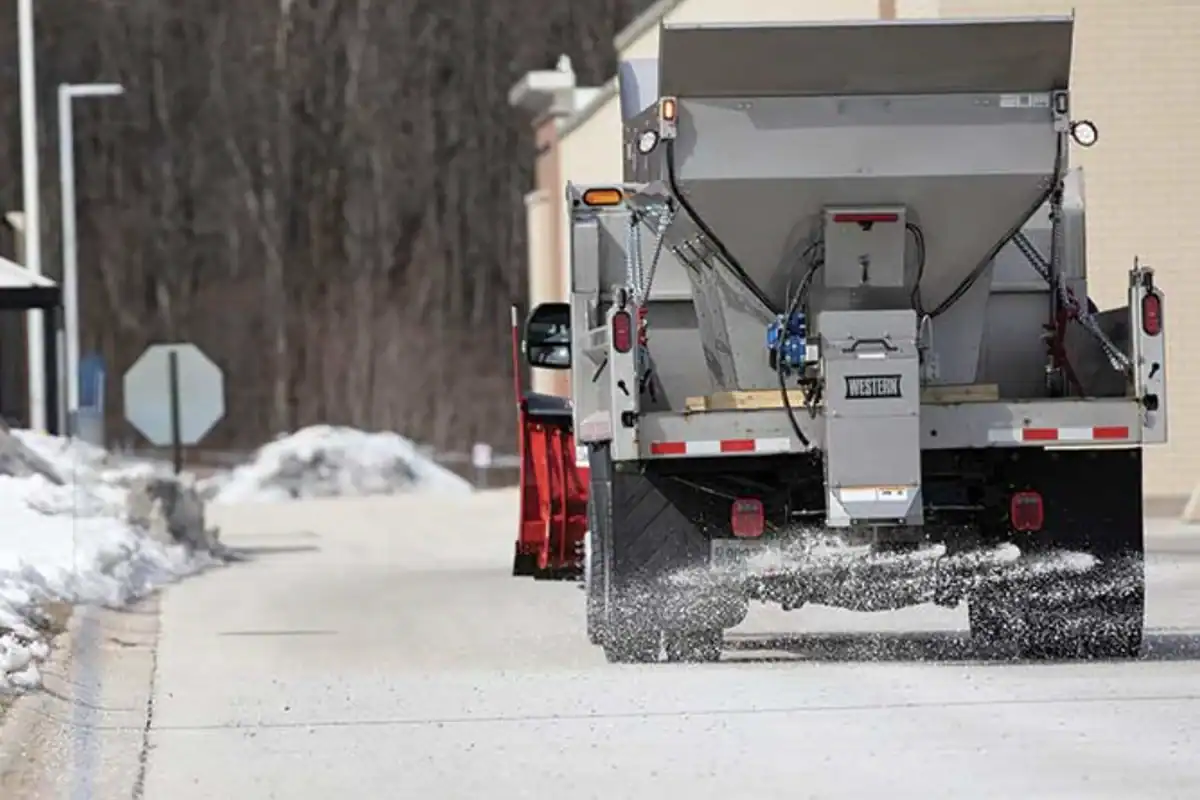
AFTER
De-icing. Granular post-storm treatment that cuts through buildup and refreeze.

AS CARS MOVE
Stall clearing. Parking stalls cleared as vehicles move, so the whole lot gets done, not just the lanes.
+24 HOURS
Safety checks. Within 24 hours of every event. Optional 48-hour checks available.
More 5-Star reviews than any other landscaper in Dane County



Snow and Ice Management Association
The national standard for snow and ice training in the US and Canada.

Advanced Snow Manager certified
Crew-level certification in de-icing science and safe winter operations.

Commercial, industrial, apartments, and HOAs only.
No residential driveways. We dropped 200+ residential accounts in 2023 to focus everything on commercial and multi unit properties. This focus allows us to deliver unmatched service to them rather than divide our resources between different property types. If you want a vendor who only shows up after heavy accumulation, we’re not your fit. If you want surfaces kept continuously safe, we should talk.
Frequently asked questions…
How much does commercial snow removal cost in Madison, WI?
Commercial plowing in the Madison market typically runs $200 to $400 per acre per push, plowing plus salt $175 to $375 per acre per event, and seasonal contracts for multi-acre commercial sites commonly land between $8,000 and $12,000 per acre for the winter. The exact cost depends on lot size, trigger depth, priority level, complexity of your site, and your Western quote breaks that out line by line.
Should I choose a seasonal contract or per-push pricing?
Seasonal contracts fit most property managers: one fixed price for the whole winter, predictable budgeting, and no surprise invoices after a heavy month. Per-push works for smaller or lower-traffic sites and carries a minimum fee, but costs climb fast in a heavy Wisconsin winter. Western offers both, and we’ll tell you straight which one the math favors for your properties.
Who is liable if someone slips in my parking lot: me or my snow contractor?
In most cases, the property owners and managers have a responsibility to maintain safe premises even after hiring a snow contractor, though a negligent contractor can be held directly liable too. What decides these cases is generally the documentation: when service happened, what was applied, and whether the plan was followed. Every Western truck is GPS-tracked, with time-stamped visit records, so if a claim lands on your desk, your file is already built. Have your attorney or insurer review your specific situation.
What does Madison’s snow removal ordinance require for commercial properties?
Madison requires all snow and ice cleared from public sidewalks bordering your property, edge to edge, by noon the day after snowfall stops (MGO 10.28). First-offense fines run about $124, repeat offenses about $187, plus the city’s removal costs on your tax bill if crews have to do it for you. A separate ordinance (MGO 27.05) requires parking areas and walkways kept in safe condition, and the city can ticket excessive salt use. Western’s routes and calibrated salting are built around both.
What is a trigger depth, and what should mine be?
A trigger depth is the snow accumulation that automatically dispatches your crew, no phone call needed. Western services commercial sites with triggers of 2 inches or less, including zero-tolerance programs for retail, medical, and high-traffic properties where crews work through the storm. If you only want plowing after heavy accumulation, we’re not the right fit. Continuous safety is the standard we staff for, 24/7 from November through April.
When should I lock in a snow contract for the 2026-27 season?
By the end of September at the latest. Western finalizes routes, staffing, and equipment off signed contracts, and Dane County routes fill through the fall. June through August is the smart window: you get first pick of priority routing and time for a proper site walkthrough before the first storm.
See Where We Currently Service
Primary Service Areas
- Madison
- Verona
- Fitchburg
- Oregon
- Middleton
- McFarland
- Stoughton
- Waunakee
- Monona
- Sun Prairie
- DeForest
- Mt. Horeb
- Cross Plains
- Cottage Grove