
DIY Landscape Design vs Hiring a Professional
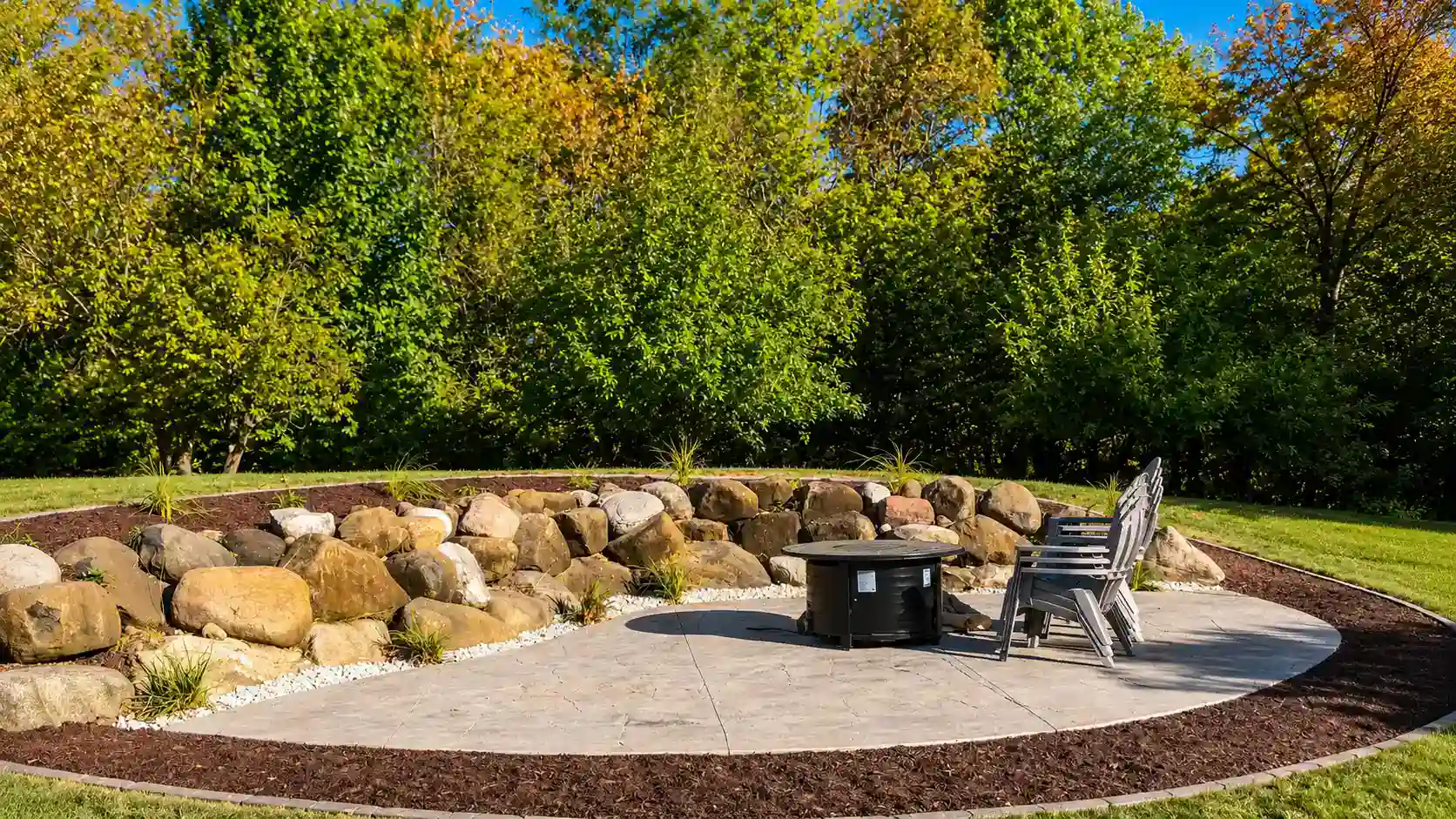
You have got a Pinterest board full of dream backyards, a truck bed of new perennials from the garden center, and a free Saturday. It is tempting to just start digging in Madison, WI and skip landscape design entirely, figuring out the layout as you go. Most homeowners have been there, and there is nothing wrong with wanting to do it yourself.
Here is the part that surprises people. A multi-state consumer study conducted through Virginia Cooperative Extension at Virginia Tech found that design sophistication, meaning the layout and structure of a landscape, ranked as the single largest factor in perceived home value. It accounted for 42 percent of the value added, ahead of plant size at 36 percent and plant variety at 22 percent.
In other words, the thing most DIY projects skip, an actual design plan, matters more than the bigger or more varied plants people tend to buy instead. That matters whether you are planning to stay in your Madison home for another decade or list it next spring, since a cohesive design shapes how the property gets valued either way.
What Design Sophistication Actually Means
Design sophistication is not about buying more plants or rarer varieties. It is about how everything works together: sightlines from your windows and patio, the sequence of bloom times across spring, summer, and fall, the proportion between a bed and the lawn around it, and how hardscape elements like walkways or edging tie the whole space into one composition instead of a collection of separate purchases.
That is the layer of expertise a homeowner picking out plants at a nursery usually is not thinking about, and it is exactly the factor the Virginia Tech research found homeowners and buyers respond to most. A yard can be full of healthy, attractive plants and still feel scattered if nothing was planned to work together in the first place.
Picture two properties with the exact same plant budget: one where everything was chosen and placed against a single plan, and one where each bed was filled in over separate weekend trips to the nursery. The first reads as intentional the moment you pull into the driveway. The second usually reads as a work in progress, even years later.
Where DIY Landscape Design Usually Goes Wrong
The most common DIY landscape design mistakes are not about picking ugly plants. They are about scale and timing. A shrub that looks perfectly sized in a five gallon pot can outgrow its spot within a few years, crowding walkways or blocking windows. Beds are planted without accounting for how much shade a mature tree will eventually cast, and drainage is treated as an afterthought rather than a starting point, which shows up later as soggy turf or a bed that never quite thrives.
None of these are mistakes because a homeowner does not care. They happen because a design plan is supposed to account for how a landscape looks in year five, not just the day it goes in the ground, which is easy to overlook when you are focused on what looks good the weekend you plant it. A sun-loving plant tucked into a spot that looks bright in May can end up struggling by July once a nearby tree leafs out and shades it most of the day, a mismatch that is easy to miss without mapping how light moves across the yard through the season.
Is Hiring a Professional Actually Worth the Cost?
It depends on the scale of what you are trying to accomplish and how long you expect to live with the result. The bigger the project, the more a mistake in the plan costs to unwind later.
Redoing a DIY layout after plants outgrow their space or a bed never establishes well almost always costs more than getting the design right the first time, once you count the wasted plants, the extra labor, and the time spent living with a yard that is not working the way you pictured it.
A professional design plan front-loads that thinking so you are not paying for it twice. It also protects the parts of a project that are expensive to redo, such as grading, irrigation lines, and any hardscape built around the planting plan. The design phase itself is a small part of the total project budget, and it is the part that determines whether the rest of that budget is spent well the first time.
What a Professional Design Process Looks Like in Madison, WI
Our landscape design process starts with a walkthrough of your property, looking at sun exposure, soil conditions, and drainage patterns, since a plan that works in one corner of Madison does not automatically work a mile away depending on tree cover and soil type.
From there we build a layout suited to Wisconsin’s growing zone, choosing plants that can handle both a humid July and a hard winter freeze, and sequencing bloom times so the landscape has visual interest across more than one season, since a plan that only looks good in June can feel bare for the rest of a Wisconsin year that includes a long stretch of winter.
That upfront planning is also where drainage, mature plant size, and sightlines get worked out before anything goes into the ground, which is exactly the step that gets skipped in most DIY projects. It is also where a design earns the 42 percent value the Virginia Tech study points to, since that figure comes from a plan that was actually thought through, not from a higher plant count.
When DIY Actually Makes Sense
None of this means every planting decision needs a professional involved. Refreshing a container garden, swapping out annuals for the season, or replacing a single shrub that died over the winter are all reasonable projects to handle yourself. Where it gets riskier is anything that touches the overall structure of your yard: new beds, major plantings, grading changes, or anything meant to last more than a season or two.
Those are the decisions that are hardest and most expensive to undo, and they are exactly where a design plan pays for itself. Swapping a few pots of color on the patio for the season carries almost no risk either way, which is a good gauge for the difference: low commitment projects are fair game, anything you would be unhappy replacing in two years is worth a plan first.
Western Landscape Has Been Designing Madison Landscapes Since 2015
Western Landscape started in 2015 with brothers Sam and Elijah Skalsky, a minivan, and a push mower. Today our design team works with homeowners and businesses across Madison and the surrounding Dane County communities, backed by more than 300 five-star reviews and over 6,000 completed projects.
Landscape design is one of our core services precisely because it is the step that determines whether every plant and hardscape decision that follows actually works together, rather than being figured out one purchase at a time. Because our design and installation teams work under one roof, the plan we draft is the same plan our crews build from, so nothing gets lost in translation between the person who designs your yard and the person who installs it.
Ready to Build a Landscape Design That Actually Works Long Term?
If you are weighing a DIY plan against bringing in a professional, start with a conversation instead of a guess. Tell us about your property and get an instant estimate for a design built around your site, your goals, and how you actually want to use the space, not just what looks good on the day it goes in. There is no obligation to move forward after that first conversation, so there is nothing to lose by finding out what a real plan would actually look like.